When a child is rushed to intensive care, the family’s world stops. For siblings left at home, the silence, the separation, and the fear can be profound and largely invisible to the health system.
Every year, around 13,000 children are admitted to a paediatric intensive care unit (PICU) in Australia because of a life-threatening illness or injury.
The focus, rightly, falls on those children and the carers at their bedside. But two-thirds of those patients have at least one sibling, and what happens to those siblings during one of the most terrifying periods a family can face is a question that, until now, has received very little attention.
Dr Ashleigh Butler knows this gap intimately. A registered nurse who once worked in the adult and paediatric intensive care unit at Monash Medical Centre, she left clinical nursing to pursue a PhD and conduct research overseas.
But the experience of watching families struggle to cope under the weight of a child’s critical illness never left her.
Now a researcher at La Trobe University, Dr Butler has returned to Monash Health to lead a landmark national study: the first of its kind to systematically examine the experience of siblings during a child’s admission to a paediatric intensive care unit.
‘We know that a child’s admission to PICU is a major crisis for the whole family. Siblings are affected too but their needs can often be overlooked,’ said lead researcher, Dr Butler.
‘They’re experiencing something deeply frightening and confusing in a situation where everyone’s attention is understandably focused on the critically ill child, rather than on what’s happening for them.’
Walking into the unknown
For many siblings, the experience of visiting a PICU, if they are allowed to visit at all, can be overwhelming.
The beeping of monitors, the tangle of tubes and lines, the sight of their sibling in a state they have never seen before. For children who are not prepared for what they will encounter, that image can stay with them long after their sibling comes home.
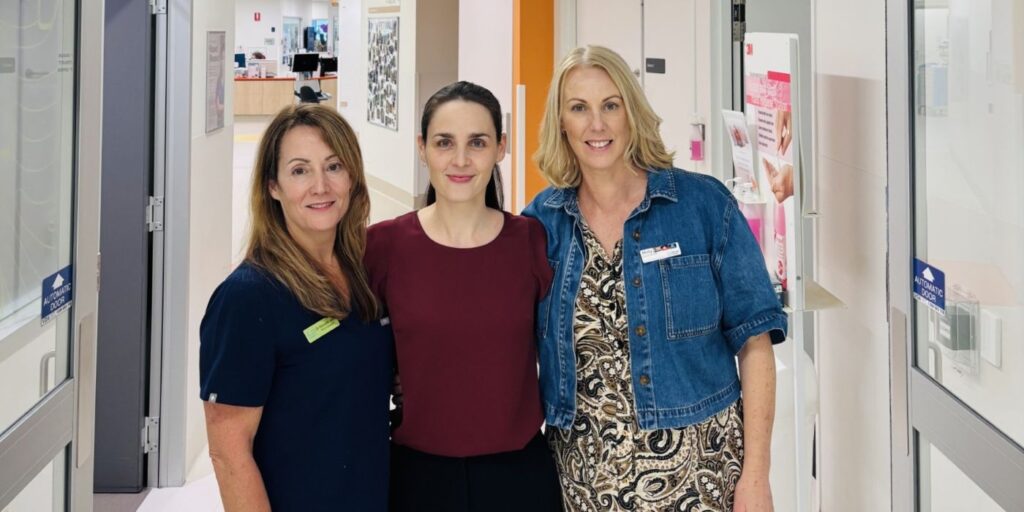
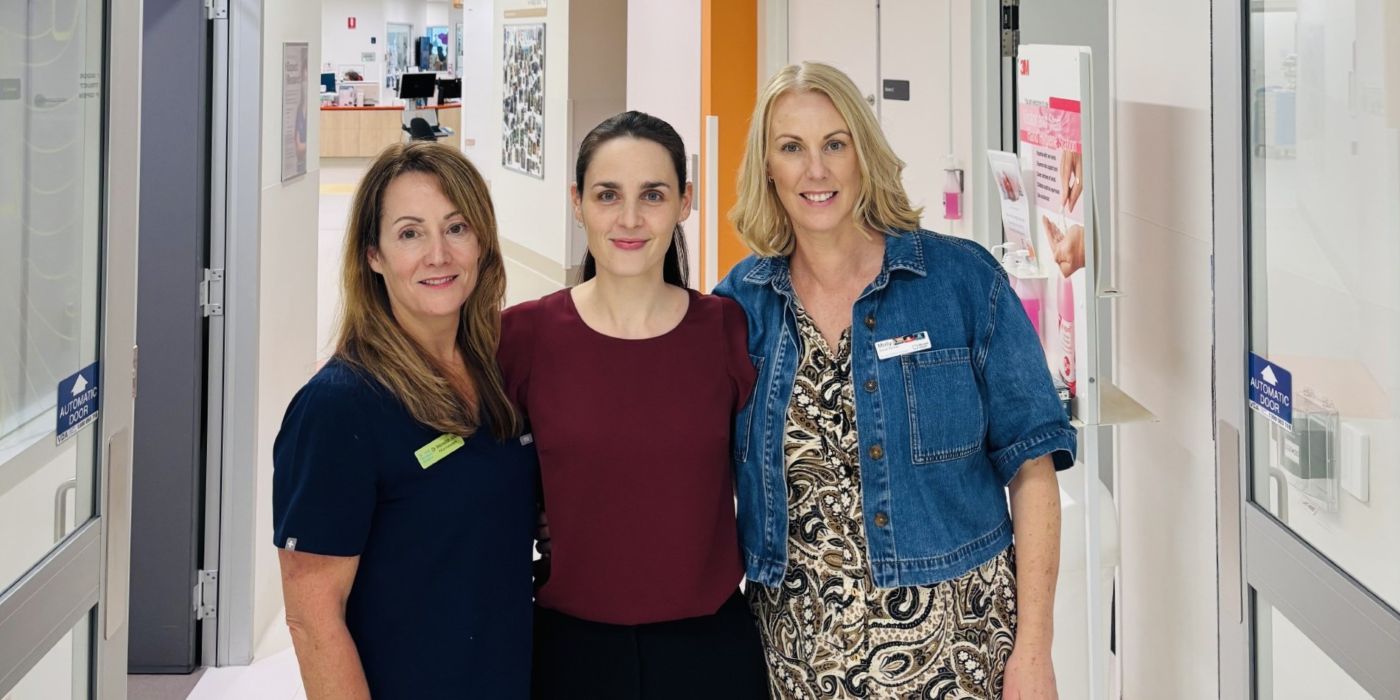
Molly Block is a Senior Social Worker in the Paediatric Intensive Care Unit at Monash Children’s Hospital and one of the principal investigators for the study at the Monash site, alongside paediatric intensive care physician, Associate Professor Meredith Allen. Ms Block has spent years supporting families navigating the PICU environment and has seen first-hand the vulnerability of siblings.
‘Fear is a common experience for siblings in the paediatric intensive care setting. The unfamiliar sounds and medical equipment, along with seeing their sibling critically unwell and their parents in distress, can be frightening and overwhelming,’ said Ms Block.
‘This fear can be further heightened for children who have witnessed the event that led to their sibling’s hospital admission. Even siblings who do not visit the unit may still experience significant anxiety driven by fear of the unknown.’
Beyond the shock of the environment itself, siblings frequently experience the pain of separation, from their parents, who may be staying at the hospital for weeks or even months, and from their ill sibling. Routines are disrupted. Caregiving arrangements change. The family home can feel suddenly, very different.
The power of being included
At Monash Children’s Hospital, the PICU team has long recognised the importance of sibling inclusion.
Social workers, allied health, nurses, and medical staff work together to support sibling engagement. For younger children, social stories — age-appropriate narratives that explain what they will see and experience — are used to soften the impact of the PICU environment before a visit.
‘The PICU team has always welcomed siblings into the unit, often guided by parents and within the hospital visitor guidelines that apply to an intensive care setting. The team are all involved in supporting sibling engagement, because we know how overwhelming and confronting this environment can be,’ said Ms Block.
Landmark national study
There are currently no national or international guidelines, policies, or resources dedicated to supporting sibling inclusion in PICUs.
Dr Butler’s study, funded by the Australian Research Council under a Discovery Early Career Researcher Award, aims to change that.
‘Importantly, our study doesn’t look at sibling experiences in isolation. We’re also speaking with families about the support and information they need to help their other children through a PICU admission and considering how sibling inclusion can be realistically integrated into the day-to-day workload of busy intensive care units,’ she said.
‘This ensures that any national guidelines we develop are practical, balanced, and workable for everyone involved in supporting siblings.’
Running across 6 PICUs around Australia, the study uses multiple methods:
- a point prevalence study to understand how many PICU patients have siblings and how often they visit
- an observational study of sibling visits
- a document analysis of information currently available to families
- and an extensive interview study spanning PICU staff, parents, extended family members, and siblings themselves, aged 4 to 18 years.
The study was co-designed with parents and siblings with lived experience of a child’s critical illness.
The research, recruitment for which began in April 2025, is expected to finish in late June of this year, with early findings available by late 2026 and national guidelines to be developed in 2027.
‘The outcome of this research will directly impact the way we deliver care at Monash Health and, we hope, at PICUs across the country and internationally. For the first time, we’ll have a robust evidence base and practical guidelines that tell us how to properly include and support siblings, and that is going to make a real difference for families,’ said Ms Block.
Research in the hardest of circumstances
Conducting research with families in the middle of a medical crisis is deeply challenging.
Families experiencing a PICU admission are navigating some of the worst days of their lives, managing complex medical needs alongside the ongoing demands of their other children and home life.
Participation in research is, understandably, rarely their priority.
The study has relied heavily on the trust and practical support of the clinical teams at each site, including Monash Children’s Hospital’s own PICU nursing team, and medical and social work site leads Associate Professor Meredith Allen and Molly Block, who help identify and connect with families who may wish to take part, while ensuring that the burden on those families remains as light as possible.
‘Families in the PICU are going through something no family should have to go through. We want to make sure that if they want to contribute to this research to help future families in the same situation, they have the opportunity to do so. But we also need to make that as easy as possible, and that’s where the clinical team is absolutely essential,’ said Dr Butler.
For the siblings who have so far shared their stories as part of the research, it may represent something simpler and more powerful still: the knowledge that someone noticed them, and that their experience matters.
If you’d like to participate in this landmark research, please email Dr Butler at a.butler@latrobe.edu.au.